

In the construction industry, few moments are more frustrating than the discovery of a critical error after the walls have been closed. Whether it’s an improperly installed pipe, missing firestopping, or misplaced backing, the cost to fix the issue often involves destructive verification – tearing down drywall or excavating slabs to search for and fix what problems lie beneath.
Unforeseen issues with remediation and destructive discovery are a major driver of project budget overruns. Recently conducted research indicates that rework costs in construction average from 5–12% and sometimes reach as high as 20% of total project budgets. However, with advances in construction technology and services, these expenses are increasingly viewed as avoidable. By embracing the “peeling back the layers” approach – reality capture that thoroughly documents MEP, rebar, and structural systems before they are covered up – general contractors and owners/developers are transforming how they manage risk and protect their margins. In some cases, teams are even solving problems before they become actual problems though deviation analysis and clash detection.
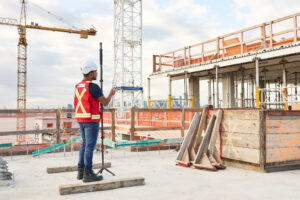
When site conditions go poorly recorded, project teams are essentially working in the dark. Without a verifiable record of what is behind a wall, above a ceiling, or under a slab, teams are forced to rely on costly methods like ground-penetrating radar, destructive discovery, time-consuming manual inspections, or expensive exploratory demolition.
Beyond the direct costs of labor and materials, rework creates a domino effect:
- Schedule delays: Every day spent resolving an unforeseen issue is a day taken away from other critical tasks.
- Disputes: Without objective evidence, assigning responsibility for rework often leads to disputes between GCs and subcontractors.
- Safety risks: Drilling or coring into unknown elements, such as post-tension cables, can lead to catastrophic damage that costs thousands of dollars per cable to repair.
Visual documentation: Your jobsite’s “X-ray vision”
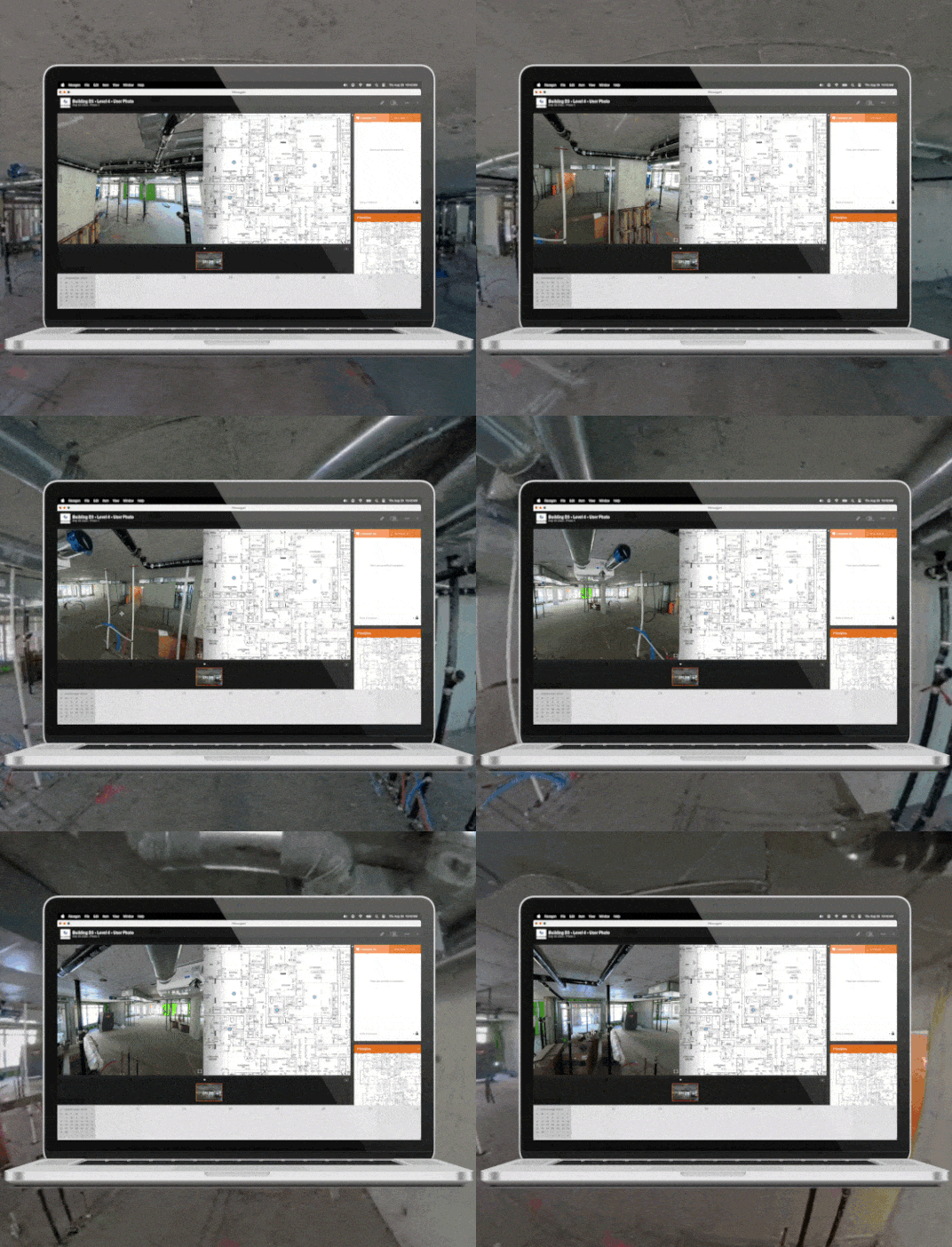
The solution lies in proactive visual reality capture. By capturing high-resolution photos, 360° imagery, and 3D laser scans at key construction milestones – specifically before coverup – project teams gain “x-ray vision” into their buildings.
When this imagery is indexed by time and location to digital floor plans, it becomes a powerful, searchable asset. Project managers can pull up a tablet, navigate to the specific room or area in question, and see exactly what was installed inside the walls, eliminating the need to tear them down. Photographic documentation is very useful, but many top firms are turning to 3D laser scanning reality capture because it provides photos with measurable point cloud data embedded in them. Teams can take precise measurements directly from their photos.
Real-world ROI: Saving tens of thousands
The financial impact of visual documentation is measurable and immediate. Consider these examples of how firms are using Mutlivista documentation to protect their bottom line:
- Avoiding remediation costs: Teams at Facchina Construction of Florida noted that detailed photos helped the team avoid approximately $50,000 in remediation costs when an issue arose with a drainage pipe already encased in a slab on grade. Later, on the same project, they used documentation to identify safe spots to core sleeves for MEPs, avoiding an estimated $26,000 cost for ground-penetrating radar.
- Preventing destructive verification: Building a state-of-the-art environmental science campus, Swinerton Builders used progression photos to verify that backing for wall-hung cabinets was installed per plans. This single use of visual records saved an estimated $15,000 in rework costs and prevented significant schedule delays associated with tearing out walls to prove what was behind them.
- Verification of corrective work: Facilities teams at the Collegiate School in New York City estimated they saved as much as $3.7 million by using as-built photos to verify installation errors that would have otherwise required cutting into every wall in the areas affected.
Lasting value for the entire life cycle of a building
Beyond the immediate construction phase, visual reality capture serves as a critical resource for facilities management. When maintenance teams know exactly where systems are located inside walls, they can troubleshoot issues or plan renovations with total accuracy, preventing knowledge loss and reducing the likelihood of future unforeseen conditions.
After years or resistance and “we just do it how we do it” thinking, the broader construction industry is realizing visual documentation is no longer just a “nice-to-have” progress report. It is a fundamental tool for quality assurance, dispute resolution, and significant cost savings. By capturing the reality of your project as it happens, you aren’t just building a structure – you are building a verified, defensible, and valuable asset that provides peace of mind for years to come.
Ready to stop guessing and start seeing?
Explore how Multivista’s suite of reality capture services – from photo documentation to 3D laser scanning and beyond – can protect your project’s budget and schedule. Reach out for a personal demo.