

For generations, construction has been driven by experience.
The best superintendents knew when something looked off; project managers relied on their instincts to assess progress, and owners trusted site reports and status meetings to understand how work was advancing. While experience remains invaluable, today’s projects are simply too complex, too fast-moving, and too expensive to rely on gut feeling alone.
Instead, the most successful construction teams are embracing a new approach: Data-driven, evidence-based construction. Project leaders are moving beyond assumptions and subjective opinions, using visual documentation, reality capture, and sharable digital records to support decisions with verifiable facts. The result is greater accountability, stronger project controls, and better outcomes from groundbreaking through closeout.
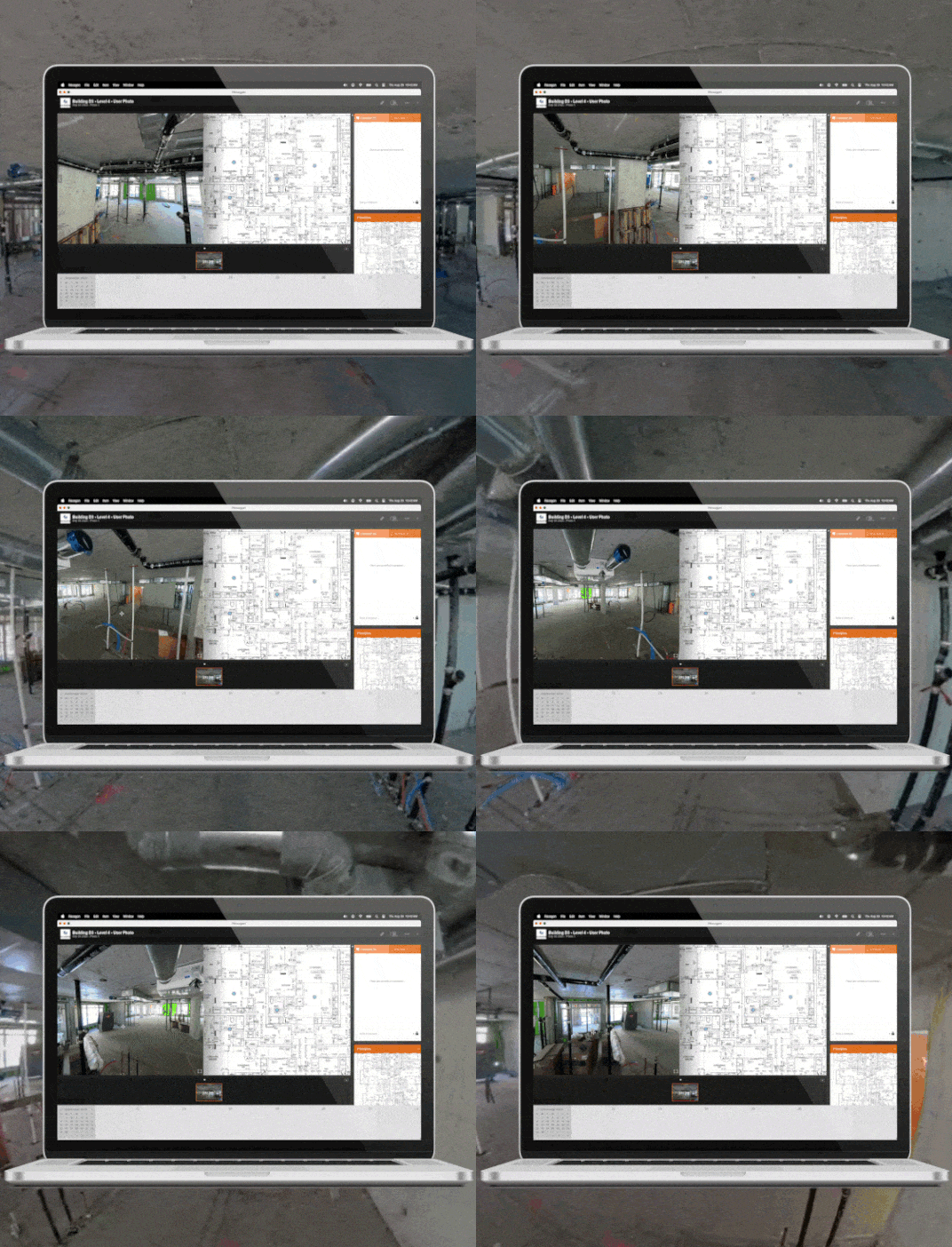
Seeing reality instead of assuming it
One of the biggest challenges in construction is that project stakeholders rarely see the same thing at the same time. An owner may visit a site once a month. Architects and engineers often rely on field reports or must review progress remotely. Meanwhile, conditions on the ground are changing daily.
Historically, teams filled these visibility gaps with updates, interpretations, and educated guesses. The problem is that assumptions or incorrect guesswork from time-strapped team members can create misunderstandings, which can lead to delays, rework, and disputes.
Reality capture technologies such as jobsite photography, 360-degree documentation, 3D laser scanning, drone imagery, and training videos are changing that dynamic. By creating a visual record of actual site conditions, project teams gain access to objective evidence rather than relying solely on opinions or recollections. Construction professionals can review what was present, where it was located, and when it was documented. Consistent reality capture creates a shared understanding of a project’s conditions and evolution that everyone can reference anytime, from anywhere.
Progress verification in real time
Again and again, every construction project faces one critical question: Are we where we need to be?
Traditionally, answering that question has involved progress meetings, field reports, spreadsheets, and site walks. While these processes remain important, they are also time consuming, labor intensive, and can also introduce delays between what is happening on-site and what decision-makers understand to be happening.
Visual reality capture creates a more direct path to project visibility, particularly if a dedicated team of professionals comes on site to capture the right data at the right time.
Regularly captured 360° progress photos, milestone-driven MEP pre-cover-up documentation, and as-built 3D laser scans help teams verify completed work against schedules, design intent, and project milestones. Rather than debating whether an area is ready for the next trade or whether a milestone has been achieved, project stakeholders can quickly review documented evidence and see for themselves.
This level of transparency and precision supports faster decision-making and helps identify potential issues before they impact project timelines. As construction schedules become more compressed, the ability to validate progress quickly and accurately becomes increasingly valuable.
Quality control backed by facts
Quality assurance has always relied on inspection and verification. However, many quality issues emerge after conditions have been concealed behind drywall, ceilings, concrete, or finishes – proving what was installed, where and how, can become difficult.
Visual jobsite reality capture data allows teams to verify installations before cover-up, compare completed work against design requirements, and reference historical conditions throughout the life of the project. A third-party, objective record supports quality management without depending on handwritten notes or memory or the perspectives of employees with a lot of other tasks on their plates. According to a study conducted by FMI and Autodesk poor data leading to poor decision making may have cost the global construction industry as much as $1.84 trillion in a single year.
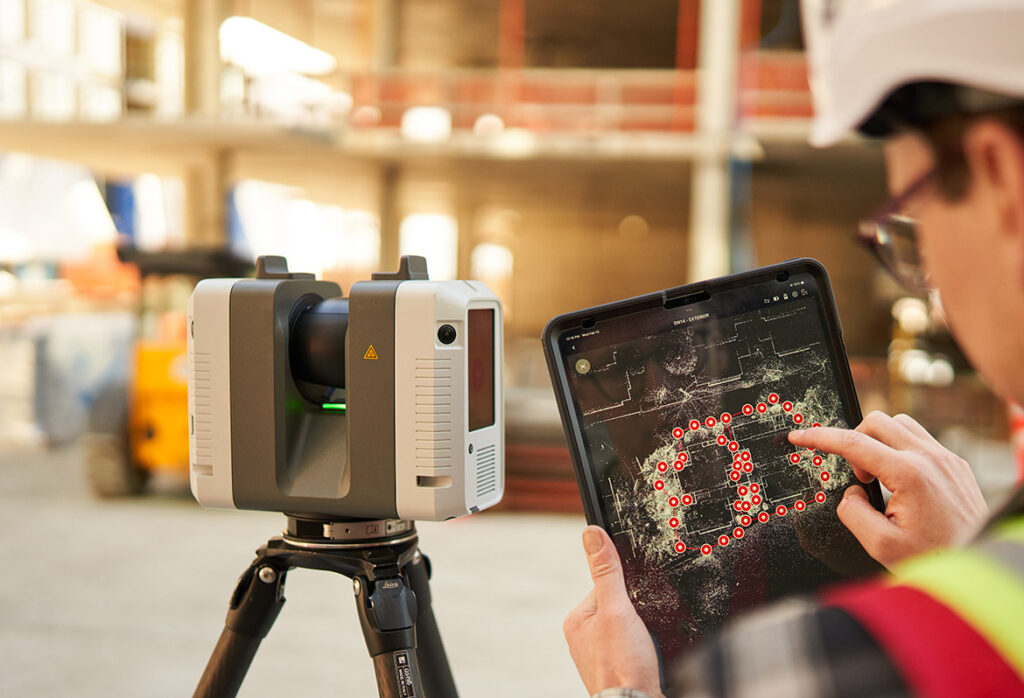
Reducing claims and resolving disputes
Construction disputes often stem from conflicting versions of events. Was the work completed as specified? When did conditions change? Who was responsible for a particular installation? What existed in the field before work began?
Without objective records, teams may rely on recollections, emails, daily reports, or conflicting documentation. Resolving these disagreements can consume significant amounts of time and resources.
Evidence-based construction offers a more defensible approach because the discussion shifts from differing interpretations to verifiable evidence. When project documentation includes regular visual records, teams have a factual timeline that can help verify conditions, reduce ambiguity, and provide greater confidence when questions, claims, or change orders arise.
For contractors, as-built data helps validate workmanship and schedules. For owners, it provides confidence that critical systems were installed according to project requirements. For future maintenance and renovation teams, it creates a valuable historical record of hidden conditions and building infrastructure.
Creating a defensible project record
Perhaps the greatest value of evidence-based construction is the creation of a trusted source of truth.
Construction projects generate enormous amounts of information over their lifecycle. Drawings evolve. Designs change. Teams rotate on and off projects. Yet the physical building remains.
A comprehensive visual record provides continuity throughout this process. Photos, scans, videos, and other reality capture data help preserve project history in a way that can be referenced long after construction is complete.
This record supports more than project delivery. It becomes a resource for facilities management, future renovations, operational planning, warranty investigations, and asset lifecycle management. Increasingly, owners are recognizing that project information should not be viewed as a closeout requirement but as a long-term business asset. A defensible project record creates value long after the ribbon-cutting ceremony ends.
Building smarter through evidence
Experience will always matter in construction. The expertise of project managers, superintendents, architects, engineers, and tradespeople remains essential to successful project delivery.
But experience is even more valuable when supported by data, documentation, and verifiable evidence. When decisions are backed by facts instead of assumptions, teams can move faster, collaborate more effectively, reduce risk, and build with greater confidence. Nowadays, the most effective project teams are not replacing human judgment; they are strengthening it with better information.
Reach out for a personalized demo to learn how visual documentation and reality capture can support better decision-making across your entire project lifecycle.