

Labor shortages continue to be one of the construction industry’s biggest challenges. All over the globe, contractors, owners, architects, and engineers are being asked to deliver increasingly complex projects while competing for a shrinking pool of skilled workers. Recent industry forecasts suggest the issue is unlikely to ease anytime soon, with retirements, recruitment challenges, and growing construction demand all contributing to workforce pressures in all major construction regions.
As a result, top firms are shifting the conversation: Instead of asking how to find more workers, they’re asking how to help existing teams work more efficiently. They’re discovering visual documentation and reality capture can make a measurable difference.
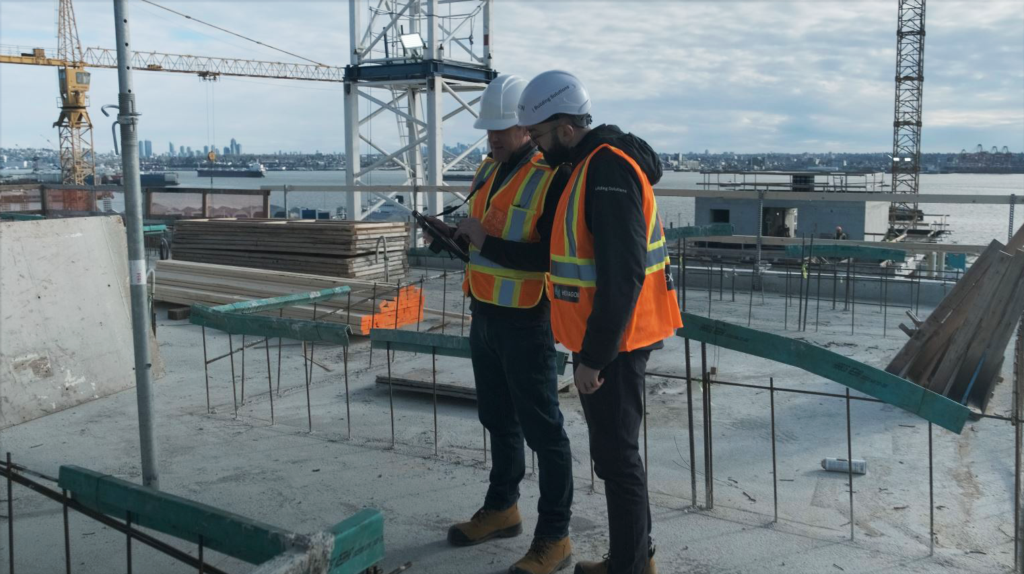
The productivity opportunity
Amidst a broader shift towards embracing technology, construction projects continue to demand greater speed, accuracy, and collaboration. Every unnecessary site visit, repeated inspection, or time-consuming search for project information puts additional pressure on already stretched teams.
Reality capture services like Multivista help reduce that friction by giving project teams fast access to accurate visual records of site conditions. Rather than relying on memory, incomplete notes, or additional trips to the jobsite, teams can access documented project information whenever and wherever they need it.
“Multivista’s photo documentation services provide me with all of the as-built information and protection I need on a professional platform without tying up a member of my staff.” – Brad Adams, Project Superintendent at Flintco Residential
Remote access reduces the need for site visits
One of the most immediate benefits of visual reality capture is the ability to reduce travel and increase collaboration.
Multivista solutions like photo documentation, 360° imagery, 3D-laser scanning, UAV/drone mapping, and webcams create detailed visual records that can be accessed remotely. Project managers, consultants, owners, and approved trade partners can review conditions, validate progress, add their own photos or notes, and answer questions without always needing to visit the site in person.
Virtual walkthrough services take this even further, allowing users to remotely navigate a project and inspect conditions as though they were physically on site. This can be especially valuable for geographically dispersed teams or specialists overseeing multiple projects simultaneously.
When experienced personnel is in short supply or working double-duty, maximizing their availability becomes critical. Remote access to current, as-built jobsite data and visuals helps put expertise where it is needed without the time and cost associated with travel and manual inspection.
Faster decisions, fewer delays
Construction projects often lose momentum while teams wait for information. Professional visual reality capture helps eliminate that bottleneck by creating a centralized, searchable record of project conditions. Current documentation of as-built conditions indexed by date and location on a cloud-based, unified hub allows project teams to quickly verify installations, review progress, investigate issues, and share valuable information without arranging additional field visits.
The result is faster decision-making, improved communication, and less time spent tracking down answers. For project teams that lean on personnel, those efficiencies add up quickly.
“Before Multivista, the process of tracking the progression of our construction was much more manual… we had to dig through phones or cameras to find shots, time stamp images, upload, and organize. It took time away from other important tasks. – Brett Gelsomino, Development Project Manager, ZOM
Accelerating onboarding and project handoffs
Workforce turnover is another growing challenge for the industry. Whether due to retirement, promotions, or changing project assignments, new team members are frequently asked to step into projects that are already underway.
Comprehensive visual records can significantly shorten the learning curve. Instead of relying solely on verbal briefings or limited documentation, new personnel can review a complete visual history of the project. Photos, laser scans, and virtual walkthroughs provide context around construction progress, system locations, and previously completed work. Video documentation can capture step-by-step instructions for complicated systems. And it can all be viewed and studied remotely, so when someone does arrive on site, they are up to speed.
This enables faster onboarding and helps new team members become productive sooner, reducing the impact of staffing transitions on project performance.
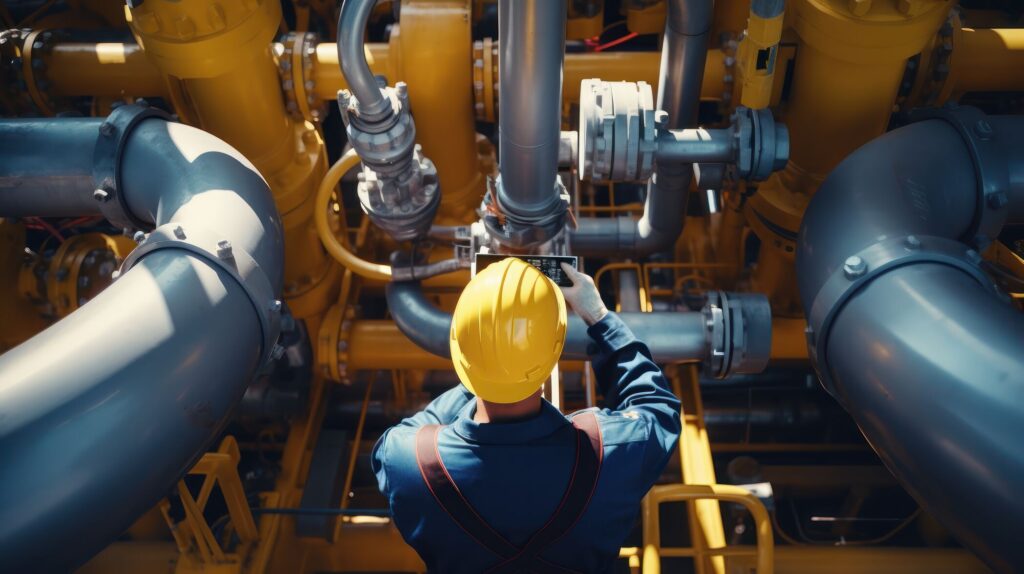
Preserving knowledge before it leaves the organization
A less-discussed-but-still-significant workforce risk facing construction firms, and especially maintenance teams, is the loss of institutional knowledge.
As experienced workers retire, valuable expertise often leaves with them. Best practices, maintenance procedures, troubleshooting techniques, and operational insights can be difficult to pass along to younger or new team members.
Visual reality capture provides a way to preserve that information. Multivista video documentation services create detailed records of site-specific operations, maintenance procedures, equipment training, and building systems. Chaptered and linked to QR codes that can be placed directly on equipment or system control panels, these resources supplement traditional manuals while creating a long-term knowledge library for future teams. The result is greater continuity, improved training, and less dependence on any single individual.
“Multivista is the best tool in my toolbox. – Mark Gordon, Director of Facilities, Collegiate School, New York
Extending the skill of skilled experts
In today’s labor market, experienced professionals are often responsible for more projects than ever before. Reality capture helps those individuals work more effectively – integrated visual documentation, laser scanning, and automated analysis services allow teams to identify issues, track progress, and validate work without requiring constant physical oversight. Automated progress reporting and visual comparisons can further support project visibility and quality management. Rather than replacing expertise, visual reality capture with combined Analyze services helps scale it.
The power to do more
For years, visual reality capture was viewed primarily as a risk-management asset. It helped resolve disputes, verify conditions, and maintain project records. Those benefits remain important, but today’s workforce challenges have expanded its value.
By supporting remote collaboration, reducing unnecessary site visits, accelerating onboarding, preserving institutional knowledge, and increasing productivity, visual reality capture has become a practical strategy for doing more with limited resources.
In an industry where skilled labor remains a valuable-yet-dwindling asset, helping every employee work more effectively may be one of the best investments a construction firm can make.
Reach out for a personalized demo if you want to put Multivista’s construction reality capture resources to work on your current or next project.